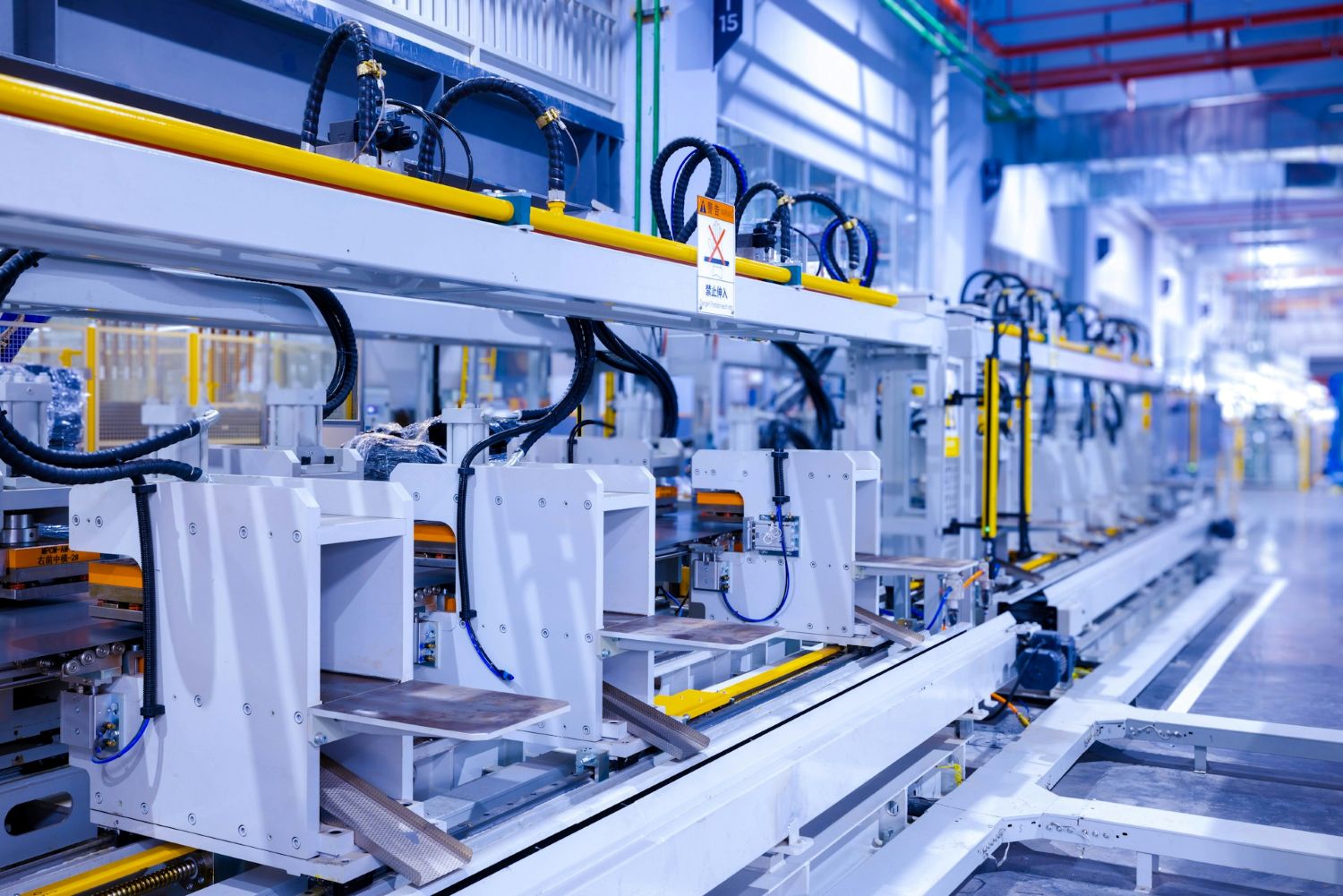
Artificial intelligence is revolutionizing how food manufacturers approach production planning. From demand forecasting to real-time schedule optimisation, discover how AI-powered systems are helping processors reduce waste, improve efficiency, and respond faster to market changes.
1. Predictive Demand Forecasting
Traditional demand forecasting relies on historical data and manual adjustments. AI changes the game by analyzing thousands of variables simultaneously—weather patterns, social media trends, competitor pricing, promotional effectiveness, and seasonal variations—to predict demand with unprecedented accuracy.
Food manufacturers using AI-powered forecasting are seeing:
- 20-30% improvement in forecast accuracy compared to traditional statistical methods
- Reduced stockouts by anticipating demand spikes before they happen
- Lower inventory holding costs through more precise production planning
- Better response to promotions by learning from past campaign performance
Real-World Example
A UK bakery chain implemented AI forecasting and reduced bread waste by 35% in the first six months. The system learned local demand patterns, adjusted for weather (people buy more bread when it's cold), and even factored in nearby events that would drive foot traffic.
2. Dynamic Production Scheduling
Creating an optimal production schedule in food manufacturing is incredibly complex. You need to balance customer demand, shelf life constraints, changeover costs, equipment capacity, labor availability, and quality requirements—all while minimizing waste.
AI-powered scheduling systems can:
- Process thousands of possible schedule combinations in seconds
- Automatically adjust plans when orders change or equipment breaks down
- Minimise changeover time and cleaning requirements between products
- Optimise for multiple objectives: cost, speed, quality, and waste reduction
- Learn from past schedules to continuously improve recommendations
The result? What used to take a production planner 3-4 hours every morning now takes 5 minutes, and the schedules are better.
3. Intelligent Inventory Optimisation
For food manufacturers, inventory management is a delicate balance. Too much inventory means waste from expiration. Too little means production delays and missed customer commitments.
AI transforms inventory management by:
- Predicting shelf life consumption: AI models learn how long inventory actually sits, not just the stated shelf life
- Optimising safety stock: Rather than rules of thumb, AI calculates optimal safety stock based on actual demand variability and supply lead times
- FEFO optimisation: First Expired, First Out becomes automatic, with AI tracking expiry dates and recommending which lots to use for which orders
- Waste prediction: AI flags inventory at risk of expiring before use, allowing proactive action
"Before implementing AI-driven inventory optimisation, we were throwing away £50,000 worth of ingredients every month due to expiration. Within six months of implementation, we'd cut that by 60%." - Production Director, UK Food Processor
4. Quality Prediction and Prevention
Quality issues in food manufacturing are expensive—they result in waste, rework, and potential recalls. AI is shifting the paradigm from reactive quality control to predictive quality management.
Machine learning models can:
- Analyze sensor data in real-time to predict quality issues before they occur
- Identify the root causes of quality variations by correlating dozens of process variables
- Recommend process adjustments to maintain consistent quality
- Learn which ingredient batches are likely to cause issues based on supplier data
- Predict equipment failures that would impact product quality
This proactive approach means catching problems before they create waste, not after.
5. Real-Time Adaptive Planning
The traditional planning cycle—create a plan, execute it for a week or month, then create a new plan—doesn't work in today's volatile environment. Markets change, equipment breaks, suppliers have issues, and customer orders shift.
AI enables truly adaptive planning:
- Continuous re-optimisation: Plans automatically adjust as conditions change
- What-if analysis at speed: Evaluate the impact of changes (new order, equipment down) in seconds
- Exception management: AI flags situations that require human attention rather than automated response
- Learning from disruptions: The system gets better at handling disruptions by learning from past responses
The Bottom Line
AI isn't replacing planners—it's making them superhuman. The tedious, time-consuming tasks get automated, freeing planners to focus on strategic decisions and handling exceptions. And the results are measurable: less waste, higher efficiency, better service, and improved profitability.
Getting Started with AI in Food Manufacturing
If you're considering AI for your food manufacturing operation, here's what we recommend:
- Start with a clear problem: Don't implement AI for AI's sake. Identify a specific pain point—waste, forecast accuracy, scheduling complexity—and focus there.
- Ensure data quality: AI needs good data. Before implementing AI, get your data house in order.
- Pilot before full rollout: Start with one product line or one facility. Prove the value before scaling.
- Invest in change management: The technology is only half the battle. People need training and support to trust and effectively use AI recommendations.
- Choose the right partner: Look for vendors with deep food manufacturing experience, not just AI expertise.
Conclusion
AI is no longer future technology for food manufacturers—it's here now, and it's delivering real results. The processors who embrace these technologies today will have a significant competitive advantage tomorrow.
The question isn't whether to implement AI, but how quickly you can get started.